Description
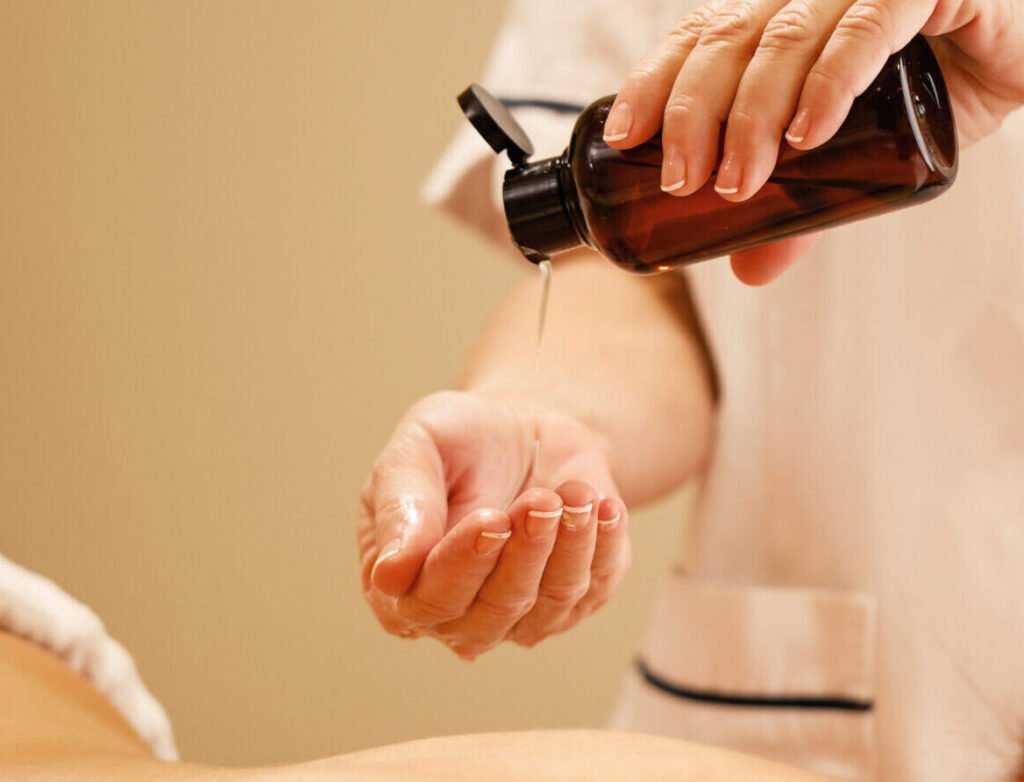
Shirodhara is a calming Ayurvedic therapy where warm medicated oil is gently poured in a continuous flow on the forehead. This therapy mainly works on the head and mind region and is known for giving deep relaxation and mental peace.
At Tathaastu Ayurveda & Panchkarma, Shirodhara is planned after proper Ayurvedic consultation. It may be suggested for stress, poor sleep, anxiety, mental tiredness, headache, hair and scalp concerns, and nervous system-related imbalance. The therapy helps calm the mind, relax the body, and support better sleep and emotional balance.
Key Benefits:
- Supports deep relaxation and calmness
- Helps reduce stress and mental tiredness
- May improve sleep quality
- Supports nervous system balance
- Helps nourish scalp and hair health
- Promotes emotional balance and mental clarity
Consolidated Benefit Explanation:
Shirodhara supports deep relaxation, reduces mental stress, and helps improve sleep quality. When done under Ayurvedic guidance, it may support nervous system balance, emotional wellness, scalp nourishment, and overall mind-body relaxation.

FAQ
Frequently Asked Questions
What is Shirodhara Therapy?
Shirodhara is an Ayurvedic therapy where warm medicated oil is poured gently and continuously on the forehead to support relaxation, sleep, and mental calmness.
Who can take Shirodhara Therapy?
Shirodhara may be suggested for people with stress, poor sleep, anxiety, mental fatigue, headache, hair concerns, and nervous system-related imbalance. Final suitability depends on doctor consultation.
Is Shirodhara painful?
No, Shirodhara is not painful. It is a gentle and relaxing therapy. Many people feel calm, light, and relaxed during and after the session.
How long does a Shirodhara session take?
The duration may vary as per the treatment plan, but a Shirodhara session usually takes around 30 to 60 minutes, depending on the person’s condition and doctor’s advice.
What should I avoid after Shirodhara Therapy?
After Shirodhara, it is usually advised to avoid cold water, direct wind, heavy exercise, stress, and late-night work. The doctor may also suggest rest and a light routine.